6 Tips for Enjoying Liminal Space in Your Writing Life
After talking about the necessity of the sacred pause, today’s post offers a few ways to practically think about taking a vacation from writing. One word to keep in mind as you read is is integration. Drawing on the work of somatic experiencing where you’re uncovering and processing past experiences, this work is always followed by integration—time to just be and allow your mind and body to settle from everything you’ve done so far.
Breaks of all sorts—vacations, school, holidays, what have you, are both normal and necessary. And honestly, they’re inevitable in most of our lives, so I always like to figure out ways to work with the tide instead of against it.
If you’re looking at your calendar for the year and are aware of any potential liminal spaces coming up, as you plan, think about removing goals or expectations and cultivating a mindset of curiosity.
It’s ok to want to focus on something specific if that speaks to you right now, and I’ll say it again like I always do, but make those choices based on your actual circumstances rather than something aspirational. If you’re heading into a liminal space where you’ll be watching your kids vs. an adults-only vacation, that’s going to have very different vibes.
I also want to normalize that choosing to do NOTHING is completely valid. You don’t have to read any of those books you downloaded. You don’t have to open your notebook at all. Generating anything new, or not—either outcome is 100% fine, so really be kind to yourself and remove any pressure you might have on the experience.
One way to approach your writing practice during a season of liminal space is to make it micro. So try to think in words and sentences vs. paragraphs or chapters, for example. Reducing the scale can make writing feel more approachable during these times. It actually reminds me of the early days of the pandemic when I started furiously writing haiku seemingly out of nowhere. This wasn’t a planned liminal space—we were thrust into it with no end in sight, and I realized later one that my brain was trying to make sense of things and literally all the bandwidth I had in a day was 17 syllables. That became my writing practice for months on end.
Another takeaway is reading for pleasure. As writers, it’s a hazard of the job to sometimes get so entrenched in research or books we quote “have” to read for something we’re working on, and hopefully the majority of the time this is a mostly positive experience, but it is a different kind of reading where our brains are concerned. Liminal space is a great time to turn off that analytic writer brain and just read things that don’t require you to be analyzing structure or searching for quotes. It’ll be different for everyone, but definitely prioritize reading things that feel fun, whatever that means for you.
When we’re out of our regular routine, another great thing to do is simply live your life and enjoy what it offers during this stretch. Whether you’re still at home or traveling somewhere new, there are always things you can do to bring some of that novelty to your day, which might spark something creatively. I’m thinking things like go to a museum, try a new restaurant, find a new place to walk, visit a cute town you haven’t been to before. It’s often in the living that sparks emerge, but we need to seek it out and make sure we’re giving ourselves that gift of new experiences. You can think of it like a gathering phase—gather up those experiences, maybe a line or two, a new idea—and then in due time you’ll be able to use all of that in your work moving forward.
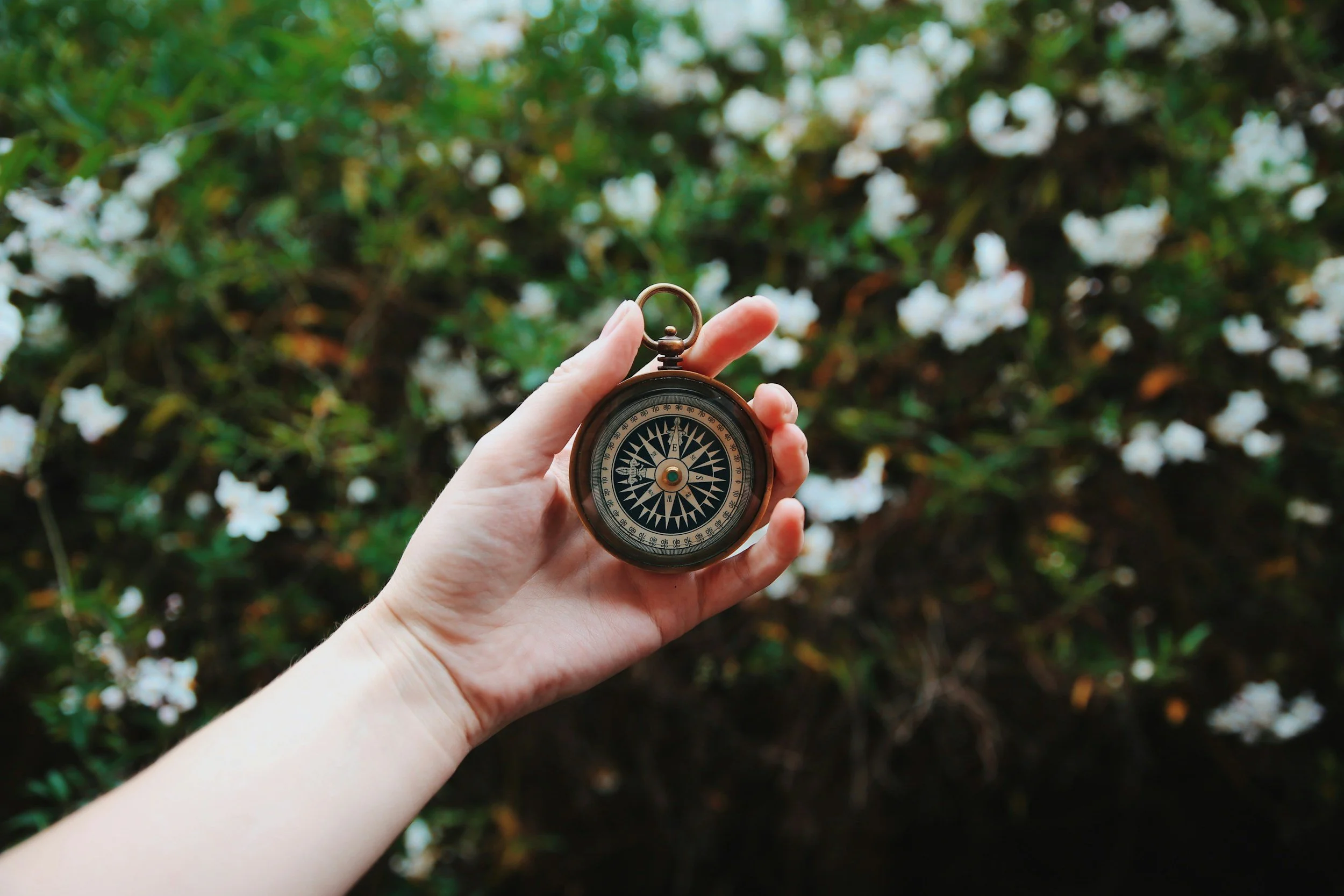
Finally, I’ll leave you with this idea of leaning on curiosity as a compass. Liminal spaces of all kinds can be both welcome and challenging, but most of the time, at least the seasons we can see coming, they end. So if we can put ourselves in a different frame of mind temporarily we’ll often find that there’s a lot of richness to explore internally, or a welcome release we might feel, and hopefully a spark or two of inspiration as well.